
How Long Does Foreclosure Take in Sacramento County, CA?
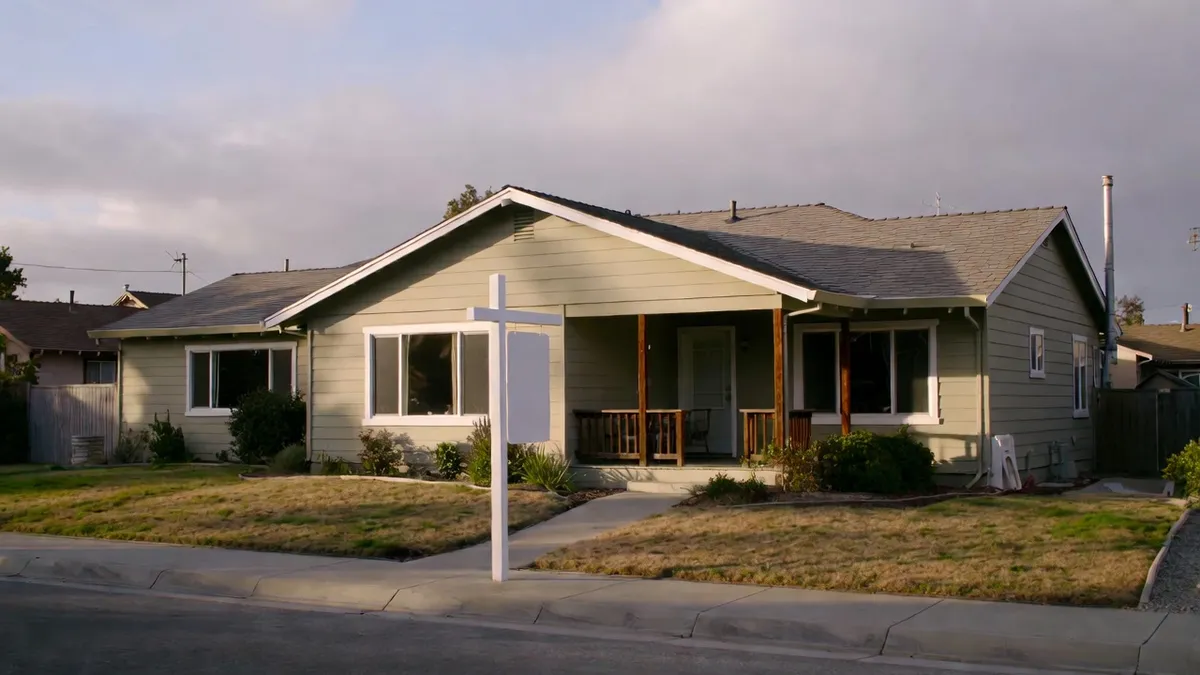
The clock question is usually the first one asked and the most misunderstood: foreclosure in California is slower than the panic suggests but faster than procrastination survives. Here’s the real timeline stage by stage, the deadlines that actually matter, and the 2025 law that can legally buy a selling homeowner up to 90 extra days.
Your full set of options — reinstatement, modification, short sale, selling — is covered in our pillar: Selling a House in Foreclosure in Sacramento County, CA.
The Timeline, Stage by Stage
California forecloses non-judicially — recorded notices with statutory waiting periods, no lawsuit or judge. Per the California Courts self-help guide:
| Stage | Clock | Running total (typical) |
|---|---|---|
| Missed payments | Lenders typically start formal action after 3–4 missed payments; they must contact you (or diligently try) about alternatives at least 30 days before recording an NOD | Months 1–4 |
| Notice of Default (NOD) recorded | 90 days to cure — pay the arrears and the case ends | Months 4–7 |
| Notice of Trustee’s Sale (NTS) recorded | At least 21 days to the auction date | Month 7+ |
| Trustee’s sale (auction) | Title transfers to the highest bidder | Month 7–9+ in practice |
The statutory minimum from NOD to auction is roughly four months (90 + 21 days). Real cases run longer: lender loss-mitigation reviews, paperwork, and voluntary postponements routinely push the first-missed-payment-to-auction span to six to nine months or more. But build your plan on the minimums, not the averages — averages don’t protect you when your file moves fast.
The three deadlines that outrank everything
- Reinstatement — until 5 business days before the sale. Pay only the missed payments plus fees (not the whole loan) and the foreclosure stops (Civil Code §2924c). Families rescue houses this way more often than you’d think — a 401(k) loan or family help against arrears beats losing six figures of equity.
- A complete loan-mod application — before the sale is locked in. Once submitted complete, dual-tracking rules generally freeze the foreclosure during review.
- AB 2424’s five-business-day trigger — see below, because this is the one that rewrote selling timelines.
AB 2424: The 90 Extra Days Most Homeowners Haven’t Heard Of
Effective January 1, 2025, AB 2424 turned “trying to sell” into enforceable time:
- Deliver a listing agreement (licensed broker) to the foreclosure trustee ≥5 business days before the scheduled sale → mandatory 45-day postponement.
- Deliver a bona fide purchase agreement ≥5 business days before the rescheduled sale → another 45 days.
- At the first auction attempt, bids below 67% of fair market value can’t be accepted (later auctions can go lower — the protection is strongest once).
Stacked, that’s up to 90 added days — enough to run a real listing and close a financed escrow that the old timeline would have killed. It converts the four-month statutory sprint into something a prepared seller can actually finish. The catch is procedural: hard deadlines, delivered to the trustee, papered correctly. Do it with professional help, not the night before.
Reading Your Own Timeline
Where you are is a matter of public record, not guesswork. Pull the recorded documents for your property from the Sacramento County Clerk/Recorder (Placer and Yolo run their own recorders): the recorded date on the NOD starts the 90 days; an NTS means a sale date is set — it’s printed on the notice, along with the place. Postponements are announced verbally at the sale itself, so a passed date doesn’t necessarily mean the house sold; trustees also run phone lines and websites with current sale status.
Then count backward from the auction: a cash sale needs 1–2 weeks of escrow; a financed sale needs 30–45 days; reinstatement is available until 5 business days out; AB 2424 filings need 5 business days of lead time. That arithmetic — not stress — should pick your path. If the math says listing fits, list (here’s the honest listing-vs-cash comparison). If you’re underwater rather than equity-rich, the short sale vs. foreclosure comparison is your read.
After the Auction (If It Gets There)
Two things homeowners misjudge about the endgame:
- You don’t owe the shortfall. After a non-judicial foreclosure, California’s anti-deficiency rules end your liability on the mortgage — the lender can’t chase the gap. (Junior liens can differ; get specifics reviewed.)
- Surplus goes to you — eventually. If bidding exceeds the debt, juniors are paid and the remainder is yours through the trustee’s surplus-funds process. But auction prices routinely land far below market, which is precisely why selling before the auction preserves equity that the auction simply vaporizes.
And on moving out: the buyer must serve notice and win a formal eviction case if you stay — weeks to months — but riding that out usually costs more (in cash-for-keys leverage and rental-application damage) than it buys.
Frequently Asked Questions
How long does foreclosure take from the first missed payment? Commonly six to nine months or more. The statutory core: 30-day pre-NOD contact + 90-day cure period + 21-day notice of sale ≈ four months minimum from formal start.
Can I delay the auction? Yes — a complete loan-mod application freezes it during review; AB 2424’s listing agreement forces 45 days, a purchase agreement 45 more; each needs 5 business days’ lead time.
When is it too late to sell? You can sell until the gavel falls, but escrow needs runway: 1–2 weeks cash, 30–45 days financed. Reinstatement works until 5 business days before the sale.
How long to move out after auction? Formal notice plus a court eviction — typically weeks to a few months. Better: use the pre-auction time so it never applies.
Next Steps
Pull your recorded notices today and put real dates on your calendar — the 90 days, the sale date, the 5-business-day triggers. Then pick the path the arithmetic supports.
If the answer is selling — or you want a guaranteed floor while you try other options — request a free cash offer. We close in as little as 7–14 days in Sacramento, Placer, and Yolo counties, coordinate payoff directly with the trustee, and back every offer with our $5,000 Close Guarantee.