

Selling a House in Foreclosure in Sacramento County, CA
If you’re dealing with foreclosure in Sacramento County, the pressure can feel overwhelming. With over 150 Notices of Default (NODs) filed quarterly in the area according to recent Sacramento County Recorder data, many homeowners find themselves searching for ways to sell their house during this challenging time. Selling a house in foreclosure Sacramento CA doesn’t have to mean losing everything—options like short sales, deed-in-lieu, or quick cash offers can help you retain some equity, avoid further credit damage, and move forward. In this comprehensive guide, we’ll break down the foreclosure process in California, key challenges, step-by-step strategies for selling, and local insights tailored to Sacramento County, with relevant notes for nearby Placer and Yolo counties. Whether you’re in Elk Grove facing rising mortgage payments or Roseville dealing with unexpected hardships, understanding your options early is key to a better outcome.
As a local home buyer specializing in Sacramento County properties, Rework Cash Offers has helped dozens of homeowners navigate foreclosure by providing fair, no-obligation cash offers that close quickly—often in as little as 7–14 days. If you’re ready to explore how we can assist, contact us today for a free evaluation.
Understanding Foreclosure in California
California uses a non-judicial foreclosure process, which is faster and more common than court-involved judicial foreclosures in other states. This means lenders can foreclose without a lawsuit, making timelines critical for homeowners looking to sell.
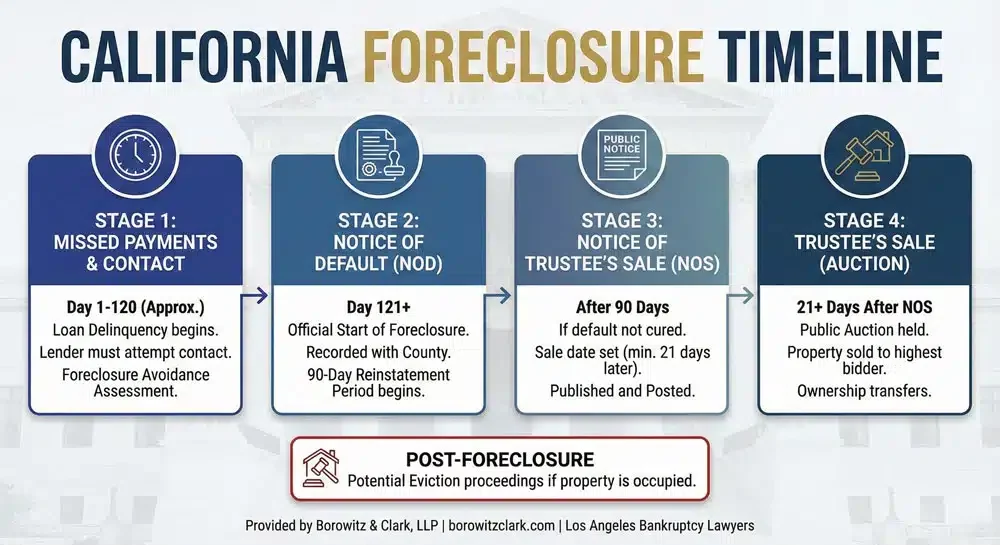
The process typically starts when you miss mortgage payments—often after 3–4 months of delinquency. Your lender issues a Notice of Default (NOD), giving you 90 days to cure the default by paying back what’s owed. If unresolved, a Notice of Trustee’s Sale (NTS) follows, scheduling an auction about 20 days later. From start to auction, the full California foreclosure timeline for selling home Sacramento can span 200–210 days, but delays from high case volumes in busy areas like Sacramento can extend it.
In Sacramento County, local factors influence this: The county’s hot real estate market (with inventory up 42% year-over-year per recent Zillow reports) means more competition, but also quicker sales if priced right. For comparison, national averages are around 180 days, but California’s borrower protections (like the Homeowner Bill of Rights) add safeguards, such as mandatory lender outreach before NOD. Curious about the exact timeline? It varies by lender and county backlog—Sacramento sees an average of 56 days on market post-NOD for properties that sell before auction.
Common triggers include job loss, medical bills, or adjustable-rate mortgage hikes, which have risen with interest rates. In Placer County, filings are up about 5% in areas like Roseville due to economic shifts, while Yolo County’s rural spots like Woodland face unique issues from agricultural downturns.
Key Challenges of Selling in Foreclosure
Selling during foreclosure comes with hurdles that can complicate a traditional sale. First, the emotional toll: Homeowners often feel rushed, leading to decisions that undervalue their property. Financially, foreclosure can drop your credit score by 200+ points, making future loans harder, and any forgiven debt (like in a short sale) may be taxable under IRS rules—though California’s anti-deficiency laws protect many from owing after sale.
Market challenges include stigma: Buyers might lowball, assuming desperation. In Sacramento CA, where median home prices hover around $500,000, foreclosed homes often sell 0.7% below market value per National Association of Realtors data. Add in repair needs—common in stressed situations—and listing becomes tougher.
A big myth is that you can’t sell during foreclosure. You absolutely can, especially in pre-foreclosure (post-NOD but pre-auction), where you retain control. However, lender approval is needed for short sales if underwater on the mortgage. Local angles amplify this: Sacramento’s competitive market helps, but flood-prone areas like Natomas can deter buyers if damage history exists. In Placer County, high-end neighborhoods like Granite Bay see faster resolutions, but Yolo’s lower-volume market means longer waits.
Step-by-Step Guide to Selling Your House in Foreclosure
Acting quickly is essential—here’s a practical roadmap tailored to Sacramento County sellers.
Assess Your Equity and Situation
Start by getting a free home valuation using tools like the Sacramento County Assessor’s online portal or Zillow estimates. Calculate equity (home value minus mortgage balance). If positive, you have leverage; if negative, consider short sales. Consult a HUD-approved counselor (free in Sacramento via the county’s housing resources) to review options like reinstatement or forbearance.
Explore Foreclosure Alternatives
Before selling, try loan modification or repayment plans through your lender. California’s CalHFA offers hardship assistance programs, especially for Sacramento residents affected by recent economic pressures. If those fail, options include short sale (selling for less than owed with lender forgiveness) or deed-in-lieu (transferring title to avoid auction). Learn more about short sales vs. foreclosure—they can minimize credit impact (85–160 point drop vs. 250+ for full foreclosure).
Price and Prepare the Property
Price competitively based on local comps—Sacramento foreclosures average 56 days on market, per Yahoo Finance data. Skip major repairs if cash-strapped; focus on curb appeal. Hire a local appraiser familiar with Sacramento County trends for accuracy.
Choose Your Selling Method
Traditional listing with an agent works if time allows, but fees eat 5–6% of proceeds. For speed, sell to cash buyers who handle as-is properties. In my experience with Rework Cash Offers, we’ve closed Sacramento deals in under two weeks, bypassing inspections and financing delays.
Close the Deal
Once under contract, coordinate with your lender if needed (e.g., for short sale approval, which takes 30–90 days in CA). Use a title company experienced in foreclosure sales, like those in downtown Sacramento. Post-sale, address taxes—California’s Proposition 13 may trigger reassessment, but selling pre-auction avoids public record stains.
Throughout, document everything to protect against disputes.
Pros and Cons of Selling Options
Choosing the right path depends on your timeline and equity. Here’s a comparison:
| Option | Pros | Cons | Best For |
|---|---|---|---|
| Traditional Sale | Higher potential price (up to market value); More control over terms. | Takes 56+ days in Sacramento; 5–6% agent fees; Buyer financing risks. | Homeowners with equity and time. |
| Short Sale | Less credit damage; Lender may forgive deficiency; Avoids foreclosure record. | Requires lender approval (30–90 days); Potential tax on forgiven debt. | Underwater mortgages in Placer County high-value areas. |
| Cash Offer | Closes in 7–14 days; No fees or repairs; Certainty in uncertain times. | Slightly lower price (fair market minus convenience). | Urgent situations in Yolo County’s rural spots. |
| Deed-in-Lieu | Quick resolution; Possible relocation assistance from lender. | Credit hit similar to short sale; Lose all equity. | When sale isn’t viable. |
In a recent Rocklin example, a homeowner facing NOD sold to us via cash offer, retaining $20,000 more equity than auction would have yielded while avoiding credit ruin.
Local Considerations for Sacramento, Placer, and Yolo Counties
Sacramento County dominates with its urban mix—areas like Elk Grove and Natomas see higher foreclosure risks from flood zones or commute-driven price fluctuations. Use the Sacramento County Superior Court website for auction details, and tap free legal aid from the Sacramento County Bar Association. Stats show 23 active foreclosures listed in February 2026, per local MLS data, with median days to sale at 56.
In Placer County, rising filings (5% year-over-year) hit suburbs like Roseville and Rocklin harder due to tech job shifts. Short sales thrive here thanks to higher property values—average $600,000—allowing better negotiations. Check Placer County Recorder for NOD filings.
Yolo County, with its agricultural base, has lower volumes but unique challenges: Flood-prone Woodland properties complicate sales, and rural locations mean fewer buyers. Yolo County Housing Authority offers foreclosure prevention workshops, ideal for small-town sellers.
Across all, California’s 2023 updates to foreclosure laws emphasize borrower rights, like extended redemption periods.
Conclusion and Next Steps
Selling a house in foreclosure in Sacramento County CA is possible and often the smartest move to protect your future. By understanding timelines, weighing options, and leveraging local resources, you can minimize losses and regain control. Don’t wait until the auction—early action opens doors to better outcomes.
If you’re in Sacramento, Placer, or Yolo and need help, Rework Cash Offers specializes in fast, fair solutions for foreclosure situations. We buy as-is, cover closing costs, and close on your timeline. Request your free cash offer today—no strings attached. For more details on specific aspects, like navigating timelines or alternatives, stay tuned for our in-depth guides.